
Blog
How Often Should You Service a Mountain Bike?

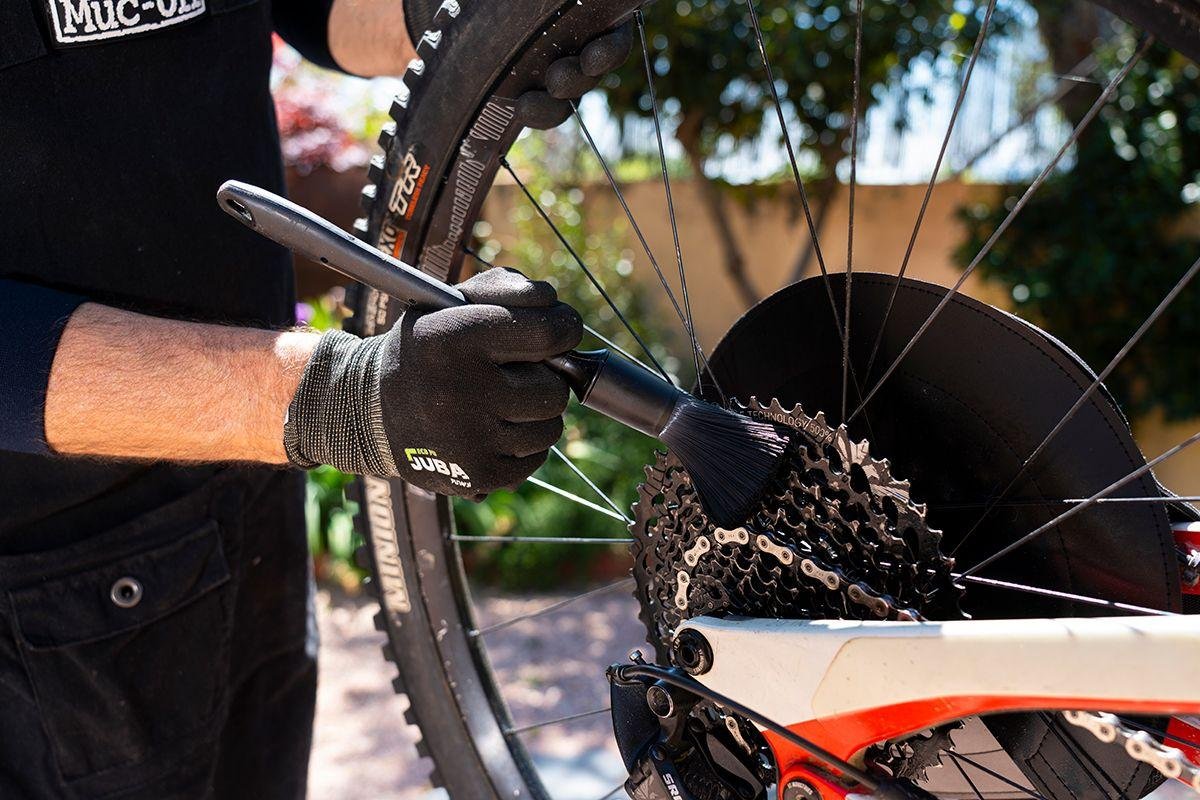
Mountain biking is one of the most exciting ways to explore the outdoors, but every ride puts your bike through demanding conditions. Mud, dust, rocks, water, steep climbs, hard braking, jumps, impacts, and rough terrain can gradually wear down components and affect performance. That is why regular mountain bike servicing is not simply about keeping your bicycle looking clean—it is an important part of maintaining safety, reliability, comfort, and performance.
So, how often should you service a mountain bike?
For most riders, a basic inspection should happen before every ride, light cleaning and lubrication should be performed regularly, and a more comprehensive service should be scheduled several times throughout the riding season. A professional tune-up is commonly appropriate every few months or after a certain number of riding hours, while suspension components, hydraulic brakes, bearings, and other specialized parts may have their own service intervals.
However, there is no single maintenance schedule that works for every mountain biker. A rider who spends weekends cruising smooth cross-country trails will place very different demands on a bicycle than someone who rides aggressive downhill, enduro, or technical terrain several times a week.
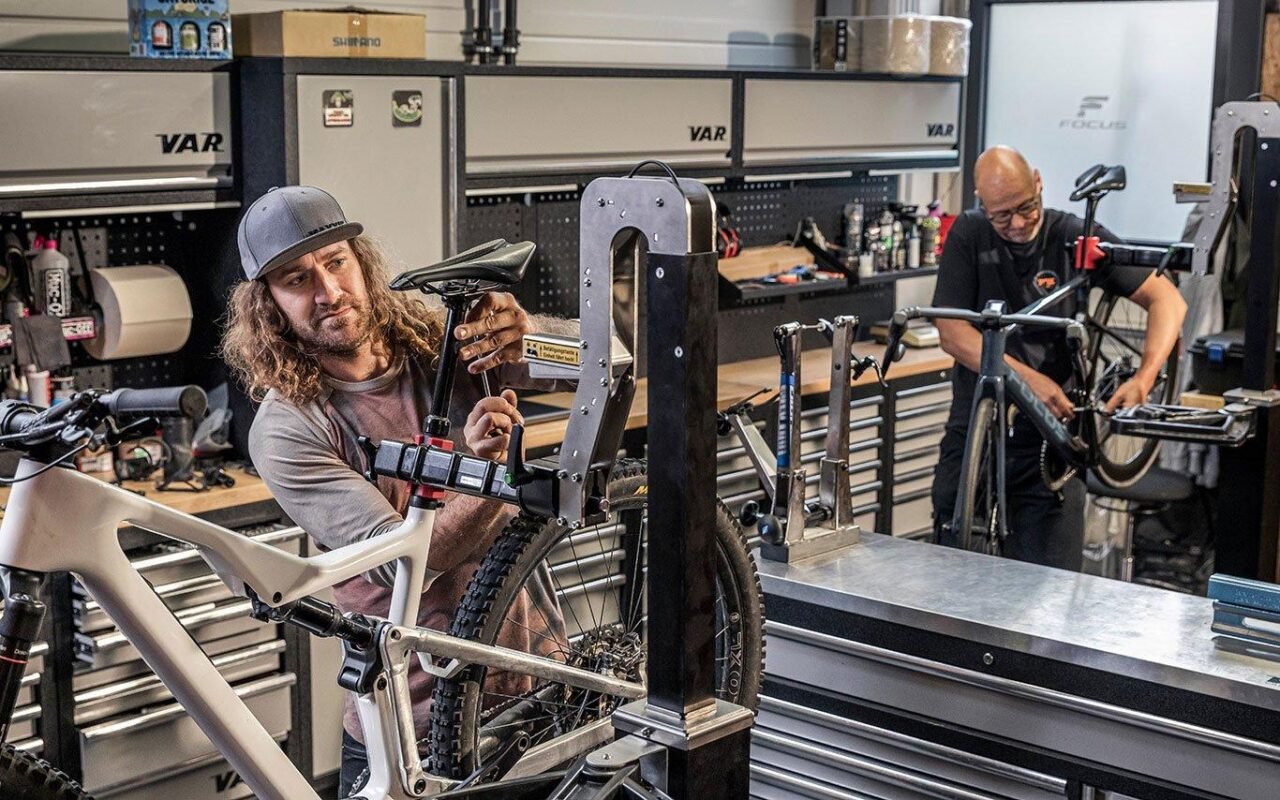
This guide explains how often you should service your mountain bike, which maintenance tasks you can handle yourself, when you should visit a professional bike shop, and how proper servicing can extend the life of your bike.
Why Regular Mountain Bike Service Matters
A mountain bike is made up of many interconnected components. The drivetrain transfers your pedaling power, the brakes control your speed, the suspension absorbs impacts, and the wheels and tires maintain contact with the trail.
When one component becomes worn, dirty, loose, or incorrectly adjusted, it can affect the performance of the entire bicycle.
For example, a dirty or poorly lubricated chain can make shifting less precise and increase drivetrain wear. Worn brake pads can reduce braking performance. Loose headset or suspension components can affect steering and handling. Underinflated or damaged tires can increase the possibility of punctures and negatively affect cornering.
Regular servicing helps identify these problems before they become expensive repairs.
More importantly, maintenance gives you confidence. When you know your brakes are functioning correctly, your tires are in good condition, your drivetrain shifts smoothly, and your suspension is working properly, you can focus more on the trail and less on whether your bike will develop a mechanical problem.
How Often Should You Service a Mountain Bike?
A useful approach is to divide mountain bike maintenance into several levels:
- Before every ride: Quick safety inspection
- After muddy or wet rides: Clean and dry the bike
- Every few rides: Clean and lubricate the drivetrain
- Every 25–50 riding hours: Basic or intermediate service, depending on riding conditions
- Around 50 riding hours: Consider suspension lower-leg and rear-shock air-can service according to the manufacturer’s requirements
- Every season: Comprehensive inspection and tune-up
- Around 100 riding hours or annually: More extensive service may be appropriate
- After crashes or major impacts: Immediate inspection
These are general guidelines rather than universal rules. Always check the service recommendations provided by your bicycle, fork, shock, brake, and drivetrain manufacturers.
A rider who spends several hours every weekend riding in mud and rain may need service much sooner than someone who rides occasionally on dry trails.
1. Check Your Mountain Bike Before Every Ride
You do not need to perform a complete tune-up before every ride. However, a quick safety check can help identify problems before you reach the trail.
Start with the tires. Check that they have appropriate pressure and look for cuts, cracks, embedded objects, or signs of damage. If you use tubeless tires, check for obvious leaks and make sure the tires are properly seated.
Next, test the brakes. Squeeze both brake levers and make sure they feel firm and responsive. If a hydraulic brake lever suddenly feels unusually soft, investigate the problem before riding.
Check the wheels by spinning them and looking for obvious wobbling. Inspect the frame for cracks, dents, or unusual damage, particularly after a hard crash.
Finally, check important bolts and components, including the stem, handlebars, seatpost, pedals, and wheel axles.
A two-minute inspection can potentially prevent a much larger problem on the trail.
2. Clean Your Bike After Dirty Rides
Cleaning is one of the simplest and most valuable forms of mountain bike maintenance.
You do not necessarily need to thoroughly wash your bike after every dry ride. However, if you have been riding through mud, standing water, sand, or particularly dusty conditions, cleaning the bike soon afterward is highly recommended.
Mud can accumulate around the drivetrain, suspension components, brake areas, and frame. If it dries, it can become difficult to remove and may contribute to premature component wear.
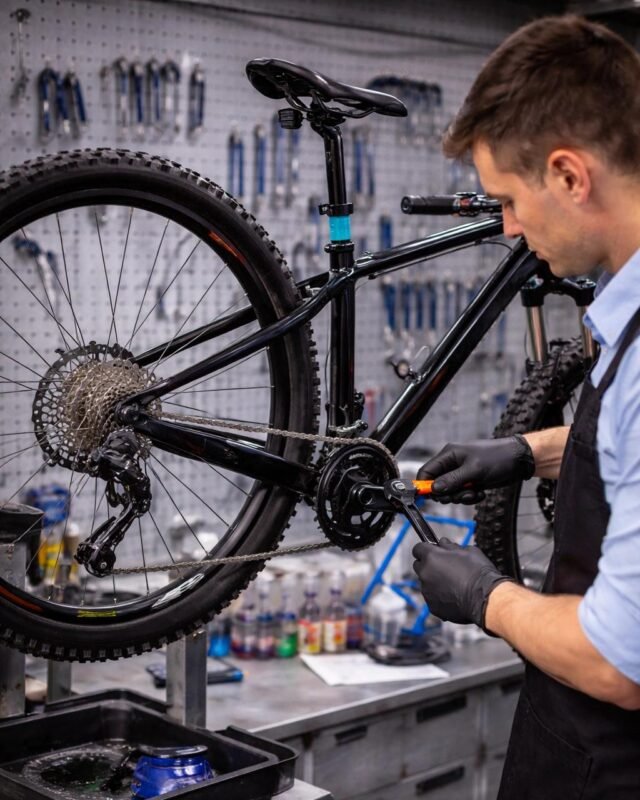
Use appropriate bicycle cleaning products and avoid aggressively directing high-pressure water at bearings, suspension seals, hubs, bottom brackets, or other areas where water can be forced inside.
After washing, dry the bicycle thoroughly. Pay particular attention to the chain and drivetrain.
Cleaning is not just cosmetic. Removing abrasive dirt helps reduce the amount of contamination circulating through moving components.
3. Maintain the Drivetrain Regularly
The drivetrain is among the most frequently used parts of a mountain bike.
It includes components such as the chain, cassette, chainrings, derailleur, jockey wheels, and related shifting components.
Because the drivetrain is exposed to dirt, dust, mud, and water, it requires regular attention.
For riders who ride frequently, inspect the chain regularly and clean it whenever it becomes noticeably dirty. After cleaning and drying, apply an appropriate bicycle chain lubricant.
Avoid simply adding more lubricant to a heavily contaminated chain without cleaning it first. Excess lubricant can attract dirt and create an abrasive mixture that increases wear.
Pay attention to how the bike shifts. Slow, noisy, inconsistent, or hesitant shifting can indicate that the drivetrain needs cleaning, adjustment, or replacement of worn components.
A chain-wear measurement tool can also help determine when the chain should be replaced. Replacing a worn chain at the appropriate time can help protect more expensive drivetrain components such as the cassette and chainrings.
4. Inspect Your Brake System
Brakes are arguably the most important safety system on a mountain bike.
Disc brake pads gradually become thinner as they are used. The rate of wear depends heavily on riding style and terrain. Long, steep descents and wet or muddy conditions can accelerate wear.
Inspect the brake pads periodically and look at the rotors for significant contamination, damage, or unusual wear.
If your hydraulic brakes feel spongy or the lever travels substantially farther than normal, the system may require inspection and potentially a brake bleed.
Mechanical disc brakes may require cable adjustment as the system wears.
Do not ignore unusual brake noises. Some noise can be harmless, but persistent squealing, grinding, vibration, or reduced braking power deserves attention.
If you are uncertain about brake maintenance, have a qualified bicycle mechanic inspect the system. Brake servicing is not an area where riders should take unnecessary risks.
5. Service the Suspension
Suspension is one of the biggest differences between a mountain bike and many other types of bicycles, and it also requires specialized maintenance.
Your fork and rear shock operate under pressure and contain precision components, seals, lubricants, and damping systems. Regular service helps maintain smooth operation and can prevent dirt and contamination from damaging internal components.
Many suspension manufacturers provide service intervals based on riding hours. A commonly used interval for basic suspension maintenance is around 50 riding hours, while more extensive internal services may be recommended at longer intervals.
Your exact requirements depend on the suspension manufacturer and model.
A basic suspension inspection should include checking the stanchions for damage, cleaning the seals and exterior surfaces, looking for oil leakage, and confirming that the suspension moves smoothly.
More advanced work—including internal damper service, seal replacement, oil replacement, or air-spring maintenance—is usually best handled by a trained technician.
If you frequently ride downhill, enduro, bike parks, or muddy trails, your suspension may require attention more frequently than a lightly used cross-country bike.
6. Inspect the Wheels and Tires
Mountain bike wheels experience considerable stress.
Rocks, roots, jumps, drops, hard landings, and rough terrain can gradually affect spoke tension and wheel alignment.
Inspect both wheels regularly. Spin them and look for noticeable lateral or vertical movement. Check the spokes for obvious looseness and inspect the rims for dents or cracks.
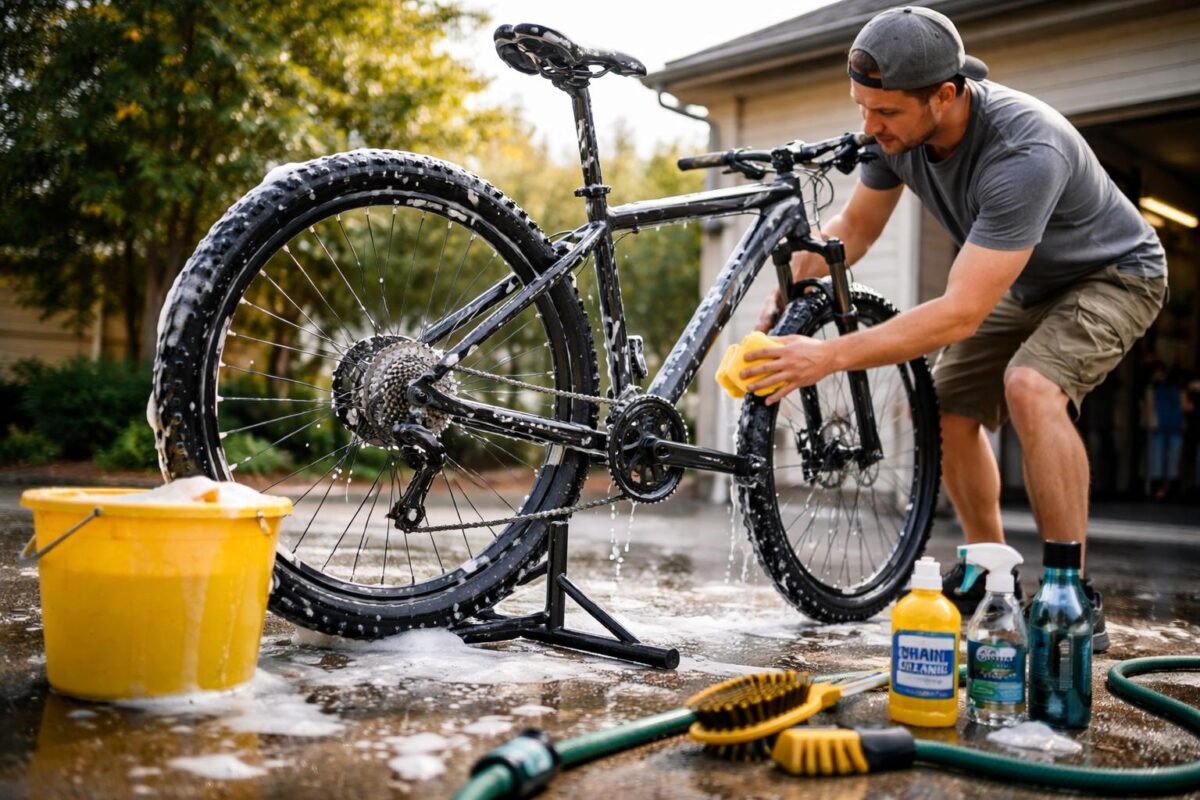
Your tires also deserve frequent attention.
Look for cuts, excessive wear, damaged sidewalls, and objects embedded in the tread. If you use tubeless tires, periodically check the sealant and replenish it according to the sealant manufacturer’s recommendations.
Correct tire pressure is also important. There is no universal pressure that works for every rider. The ideal setting depends on rider weight, tire construction, wheel size, terrain, riding style, and whether the system is tubeless.
Experiment carefully and follow the tire manufacturer’s pressure limits.
7. Check the Headset, Bottom Bracket, and Bearings
Mountain bikes contain several bearing systems that allow components to move smoothly.
The headset allows the handlebars and fork to rotate. The bottom bracket supports crank rotation. Full-suspension bicycles also contain pivot bearings that allow the rear suspension to move.
These components can become contaminated or worn over time.
A loose headset may produce movement or knocking when the front brake is applied. A worn bottom bracket may produce grinding, clicking, or side-to-side movement at the crank. Suspension pivot problems may cause play, unusual noises, or reduced suspension performance.
These issues should not be ignored.
Bearing inspection is commonly included in more comprehensive tune-ups, but riders should pay attention to unusual noises or movement between scheduled services.
8. How Often Should a Hardtail Mountain Bike Be Serviced?
Hardtail mountain bikes generally have fewer moving components than full-suspension bikes, which can make maintenance somewhat simpler.
There is no rear shock or suspension linkage to service, but the drivetrain, fork, wheels, brakes, headset, bottom bracket, and other components still require regular attention.
A recreational hardtail rider may be able to maintain the bike with routine cleaning, lubrication, inspections, and one or two professional tune-ups per year.
A rider who uses a hardtail heavily on technical trails may require more frequent servicing.
The most important factor is not simply how old the bike is. It is how much the bike is ridden and what conditions it experiences.
9. How Often Should a Full-Suspension Mountain Bike Be Serviced?
Full-suspension mountain bikes generally require more maintenance because they contain additional suspension components, bearings, and moving parts.
For regular riders, a professional inspection during the riding season can help identify worn bearings, suspension problems, drivetrain wear, and brake issues before they become serious.
If you ride frequently, a more comprehensive service may be appropriate after a specific number of riding hours rather than waiting for an annual date.
For example, a rider who completes several hundred hours of aggressive riding in a year should not necessarily wait until the end of the year to inspect the suspension and bearings.
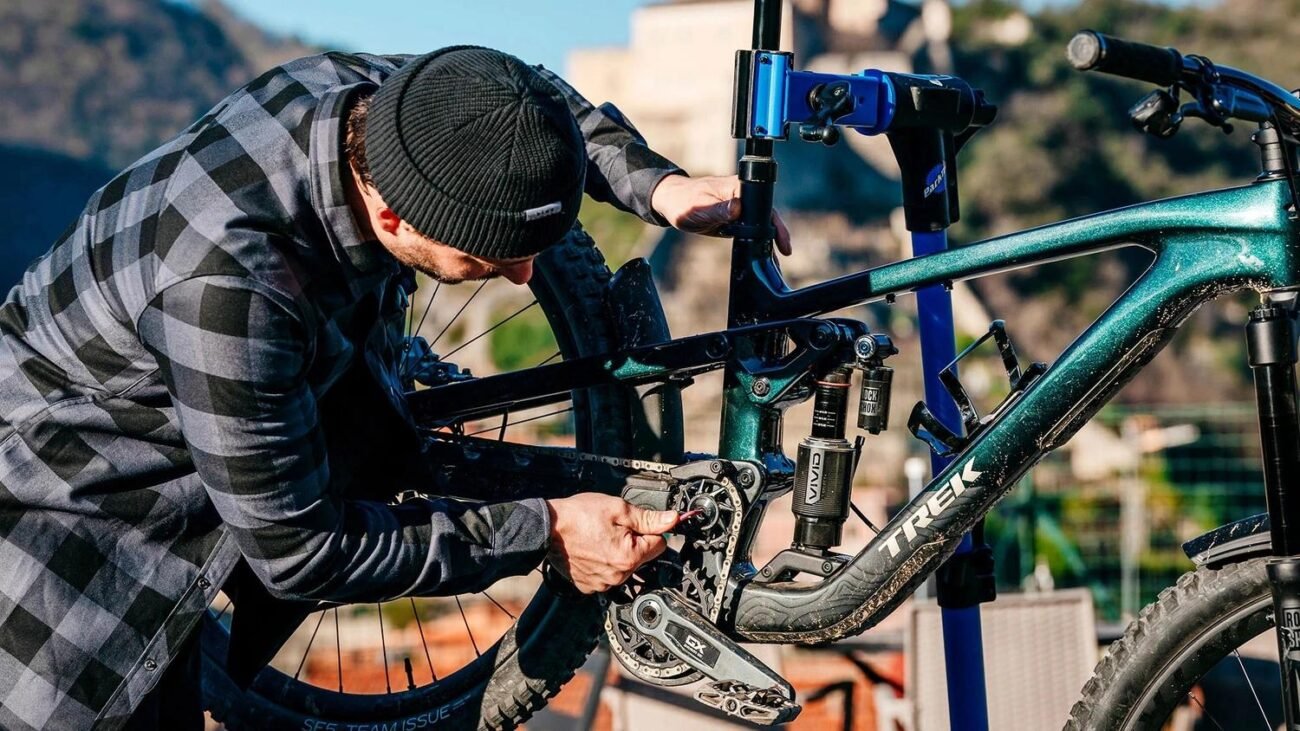
Full-suspension bikes also benefit from regular pivot inspection. Dirt and moisture can work their way into suspension linkage areas, particularly when bikes are ridden in wet and muddy conditions.
10. What Maintenance Can You Do Yourself?
Many routine maintenance tasks are suitable for home mechanics.
These include:
- Cleaning the frame
- Cleaning the drivetrain
- Lubricating the chain
- Checking tire pressure
- Inspecting tires
- Checking brake pad wear
- Inspecting the chain
- Cleaning suspension stanchions
- Checking wheel condition
- Checking for obvious loose bolts
- Basic derailleur adjustments
- Replacing tubes
- Performing basic tubeless tire maintenance
However, some jobs require specialized knowledge and tools.
These can include:
- Hydraulic brake bleeding
- Suspension damper service
- Fork seal replacement
- Rear shock rebuilds
- Bearing replacement
- Complex wheel building
- Bottom bracket replacement
- Structural frame repairs
- Internal drivetrain repairs
If you are not confident performing a repair, professional service is generally the safer choice.
11. Signs Your Mountain Bike Needs Service Immediately
You do not always need to wait for a scheduled service interval.
Certain symptoms indicate that your bicycle should be inspected as soon as possible.
These include:
Unusual noises
Grinding, cracking, clicking, knocking, or repeated creaking can indicate a mechanical problem.
Poor braking
Reduced stopping power, excessive lever travel, grinding, or unusual vibration should be investigated.
Poor shifting
If gears skip, hesitate, or fail to shift correctly, the drivetrain may require adjustment or component replacement.
Suspension problems
Oil leakage, unusual noises, excessive play, or inconsistent suspension movement can indicate a problem.
Wheel movement
A wheel that suddenly develops significant play or becomes noticeably out of true deserves immediate attention.
Frame damage
After a major crash, inspect the frame and components carefully before riding again.
Loose components
Handlebars, stems, pedals, cranks, wheels, or other components that develop movement should not be ignored.
12. Does Riding Style Affect Service Frequency?
Absolutely.
A rider’s maintenance schedule should reflect how the bike is used.
Casual trail riding
If you ride occasionally on relatively smooth trails, regular cleaning, lubrication, safety checks, and an annual professional inspection may be sufficient for many components.
Cross-country riding
Frequent cross-country riding increases drivetrain and suspension usage. Regular drivetrain cleaning and periodic tune-ups become more important.
Enduro riding
Enduro involves steep descents, technical terrain, and significant suspension use. More frequent brake, suspension, wheel, and bearing inspections are recommended.
Downhill and bike-park riding
Downhill riding places substantial stress on frames, wheels, suspension, brakes, and tires. Riders should inspect the bike after demanding sessions and maintain components more frequently.
Wet and muddy riding
Water and mud accelerate contamination and can increase wear. Bikes used regularly in wet conditions should be cleaned and inspected more frequently.
13. Create a Simple Mountain Bike Maintenance Schedule
A maintenance schedule makes it easier to stay ahead of problems.
Before every ride
Perform a quick safety inspection. Check tires, brakes, wheels, major bolts, suspension function, and overall frame condition.
After every muddy or wet ride
Clean the bike, dry the drivetrain, inspect for damage, and lubricate the chain as needed.
Every few rides
Inspect the drivetrain, check chain condition, examine brake pads, and look over the tires and wheels.
Every 25–50 riding hours
Consider a more comprehensive tune-up depending on riding conditions, bike type, and manufacturer recommendations.
Around 50 riding hours
Check whether your fork and rear shock are due for their scheduled service.
Every season
Have the bike thoroughly inspected. Check bearings, drivetrain wear, brakes, wheels, tires, suspension, cables, and fasteners.
Around 100 riding hours or annually
Consider a more extensive overhaul if your bike is ridden frequently. High-mileage or aggressive riders may need this sooner.
14. Professional Service vs. DIY Maintenance
Home maintenance can save money and help you understand your bicycle better. It also allows you to deal with small problems before they become major repairs.
However, professional service provides access to specialized tools, diagnostic experience, manufacturer-specific procedures, and suspension expertise.
A good approach is to combine both.
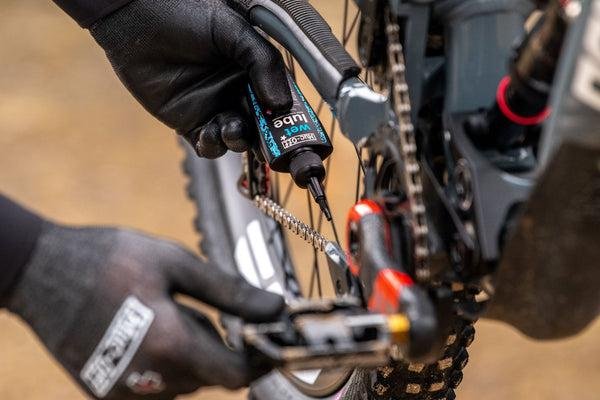
Perform basic inspections and cleaning yourself while using a qualified bike shop for specialized servicing.
Professional technicians can identify problems that may not be obvious to a casual rider, particularly with suspension components, bearings, hydraulic brakes, and drivetrain wear.
Many professional service packages include a safety inspection, drivetrain adjustments, brake adjustments, wheel inspection, bearing checks, cleaning, lubrication, and other adjustments. More extensive services may include suspension work and bearing replacement.
15. Proper Maintenance Can Save Money
Some riders avoid servicing their mountain bike because they want to save money.
Ironically, delaying maintenance can often make repairs more expensive.
A worn chain that is replaced at the appropriate time may be relatively inexpensive compared with replacing a worn chain, cassette, and chainrings together.
Similarly, replacing worn brake pads is considerably simpler than allowing severely worn pads or contaminated components to create additional problems.
Suspension maintenance can also help protect expensive internal components.
Preventative maintenance is therefore an investment rather than simply an expense.
Final Thoughts
So, how often should you service a mountain bike?
The best answer is: service it according to how often and how aggressively you ride it, rather than relying solely on the calendar.
Every ride should begin with a quick safety inspection. Dirty bikes should be cleaned promptly, and the drivetrain should be kept clean and properly lubricated. Tires, brakes, wheels, and suspension should be inspected regularly.
For many riders, a professional tune-up once or twice a year is a sensible starting point. Riders who spend many hours on demanding trails may need professional servicing considerably more often. Suspension components and other specialized systems should be maintained according to the manufacturer’s recommended riding-hour intervals.
Most importantly, do not wait for a serious mechanical failure before servicing your bike. Unusual noises, poor shifting, weak braking, suspension problems, loose components, or visible damage are all reasons to have the bike inspected.
A well-maintained mountain bike is safer, more efficient, more comfortable, and more enjoyable to ride. Regular maintenance also helps protect your investment and allows you to spend more time doing what your bike was designed for—riding the trails.
Keep your bike clean. Check it regularly. Service it before problems become expensive. Then get out there and enjoy the ride.